▶ P04 — IREC · ROWAN ROCKETRY

Carbon Fiber Oven Control System

Designed the control system for a custom 6×4×3 ft curing oven built for the Intercollegiate Rocket Engineering Competition (IREC): PWM heater control, multi-point thermal averaging, and an independent over-temperature cutoff, used to cure carbon fiber on a Mach 1.6 rocket body.

120°F ± 1°F Cures up to 24 h 3 × 120W heaters

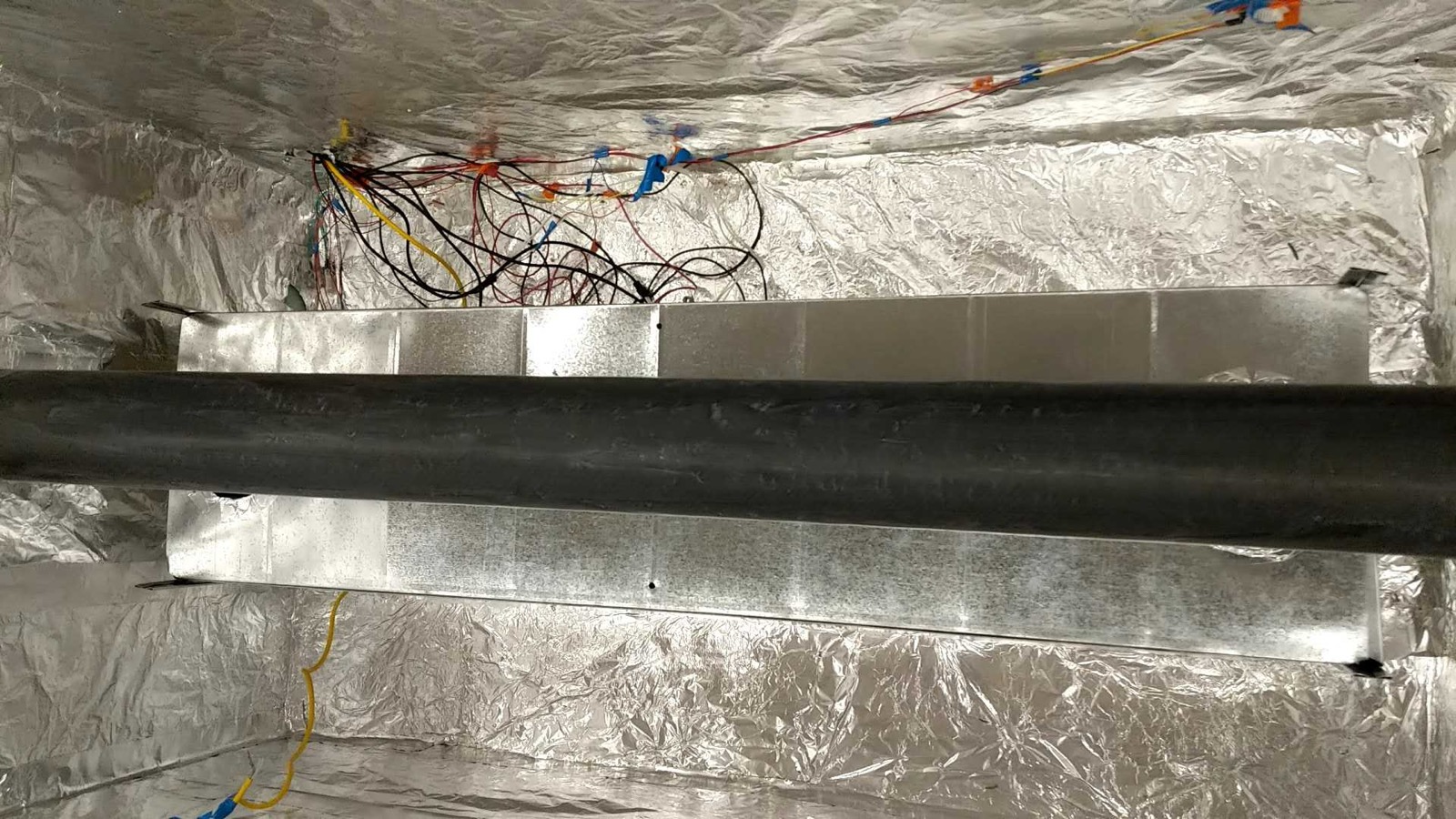
Inside the foil-lined curing oven: a tube resting on a metal rack, with sensor wiring along the back wall
Inside the oven: foil-lined chamber, a tube on the rack, and sensor wiring along the wall.

Intercollegiate Rocket Engineering Competition (IREC)

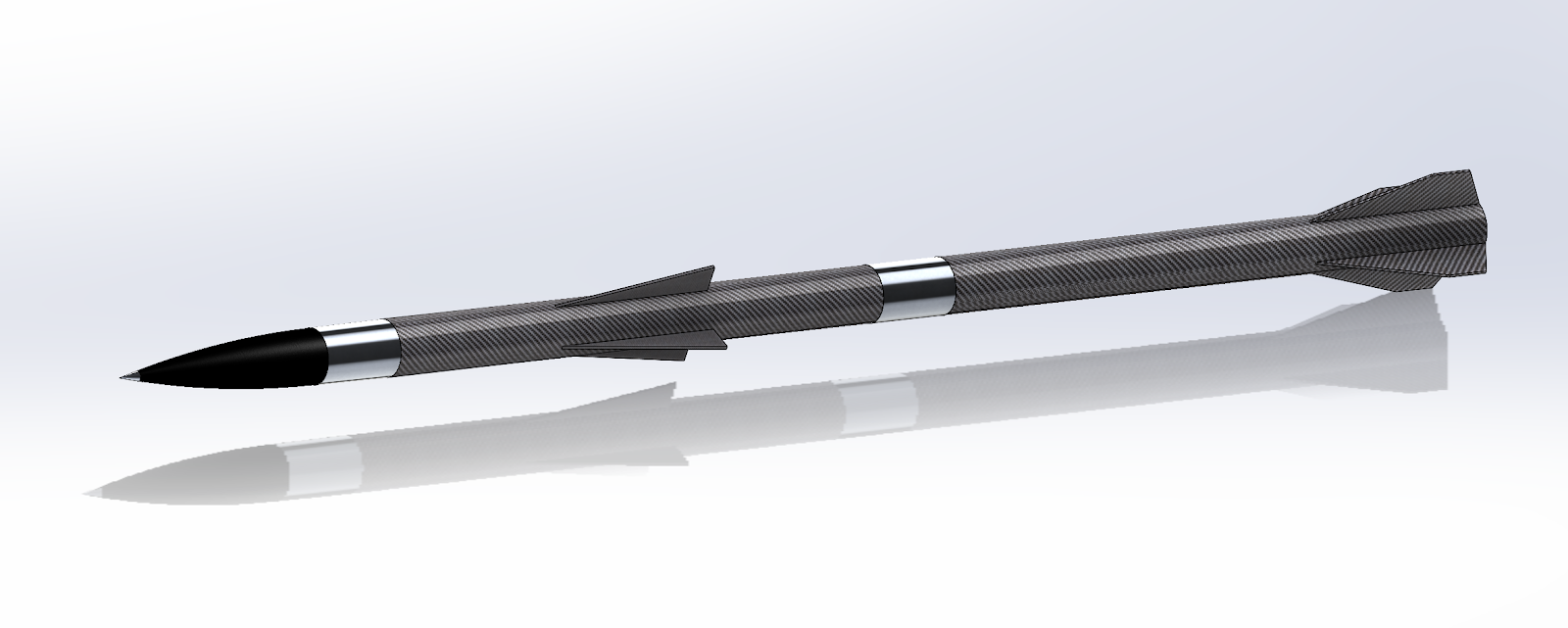
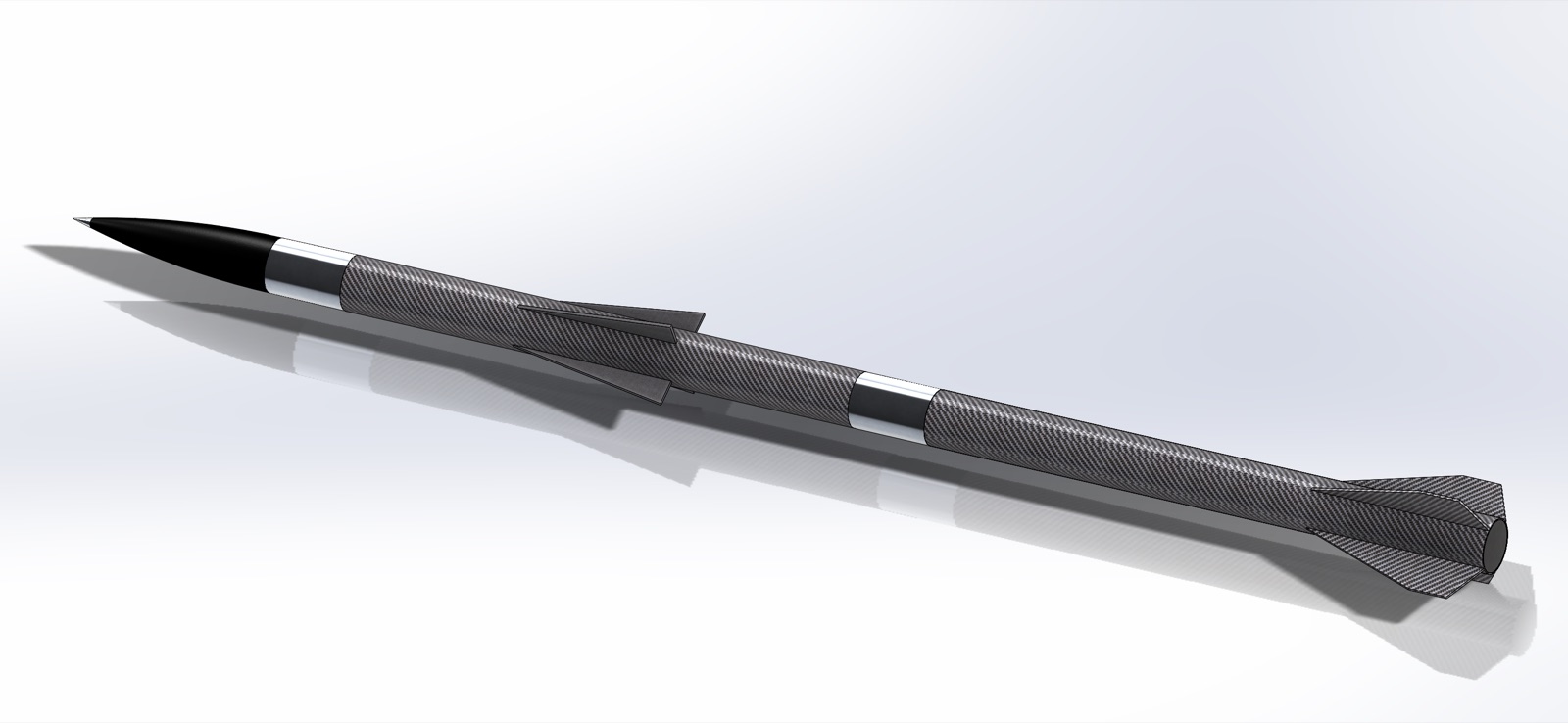
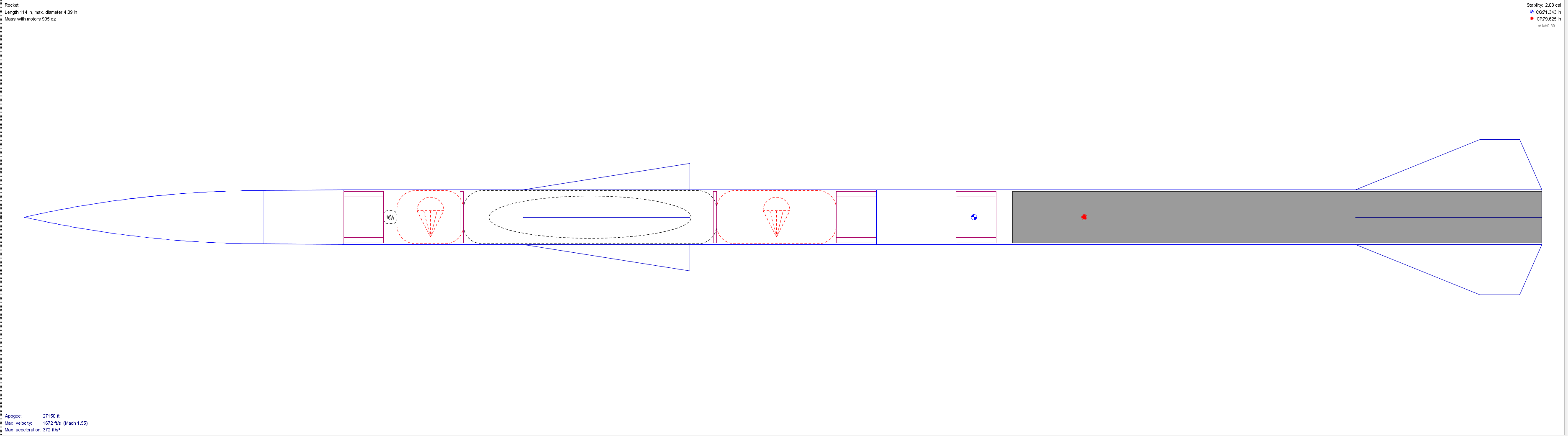
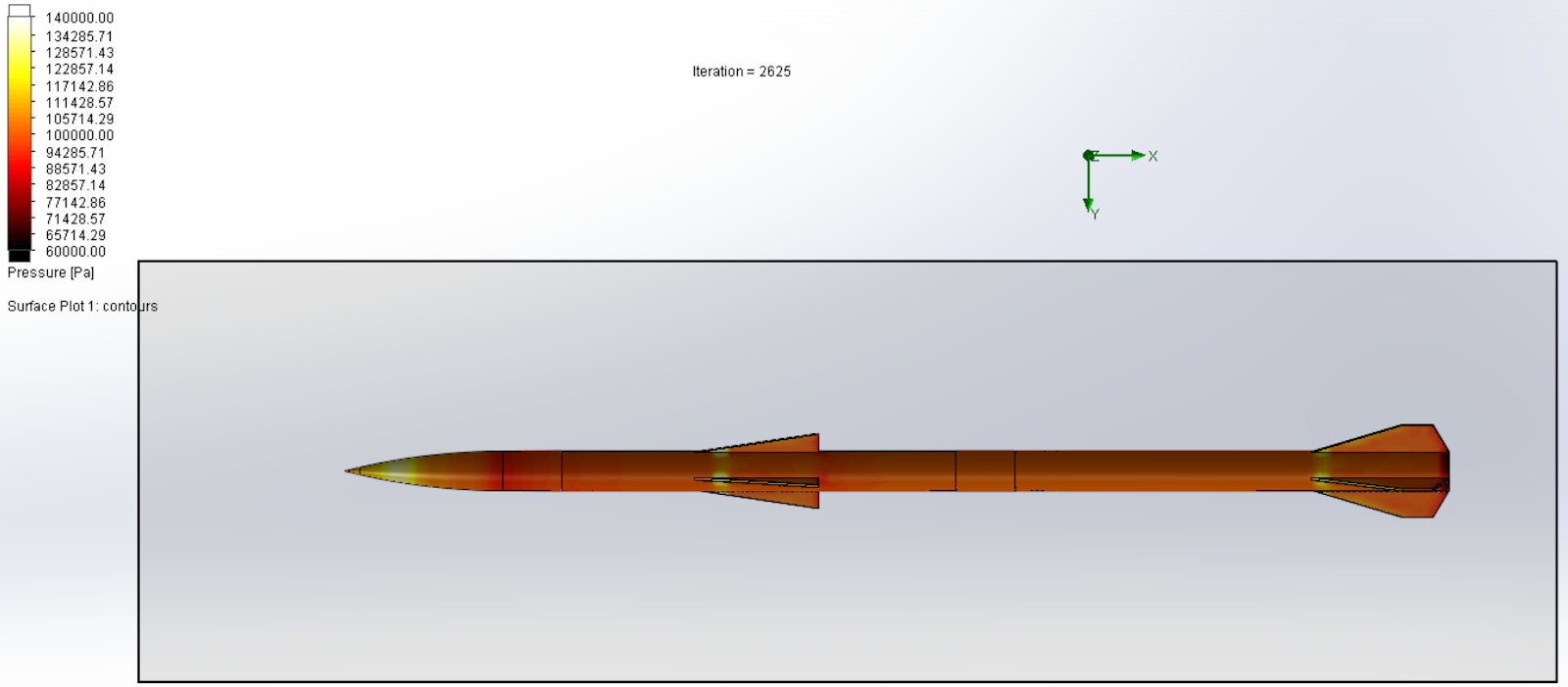
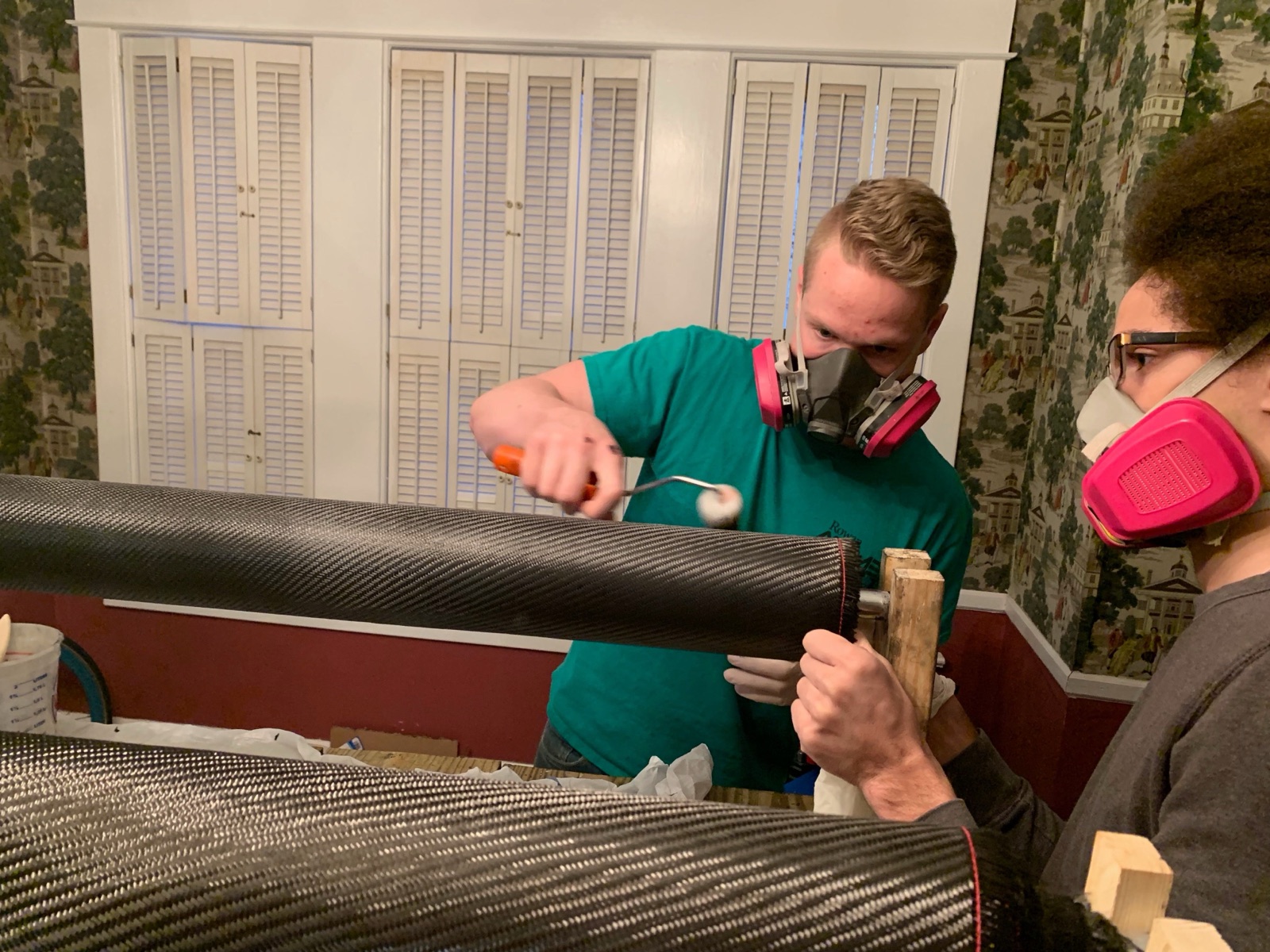
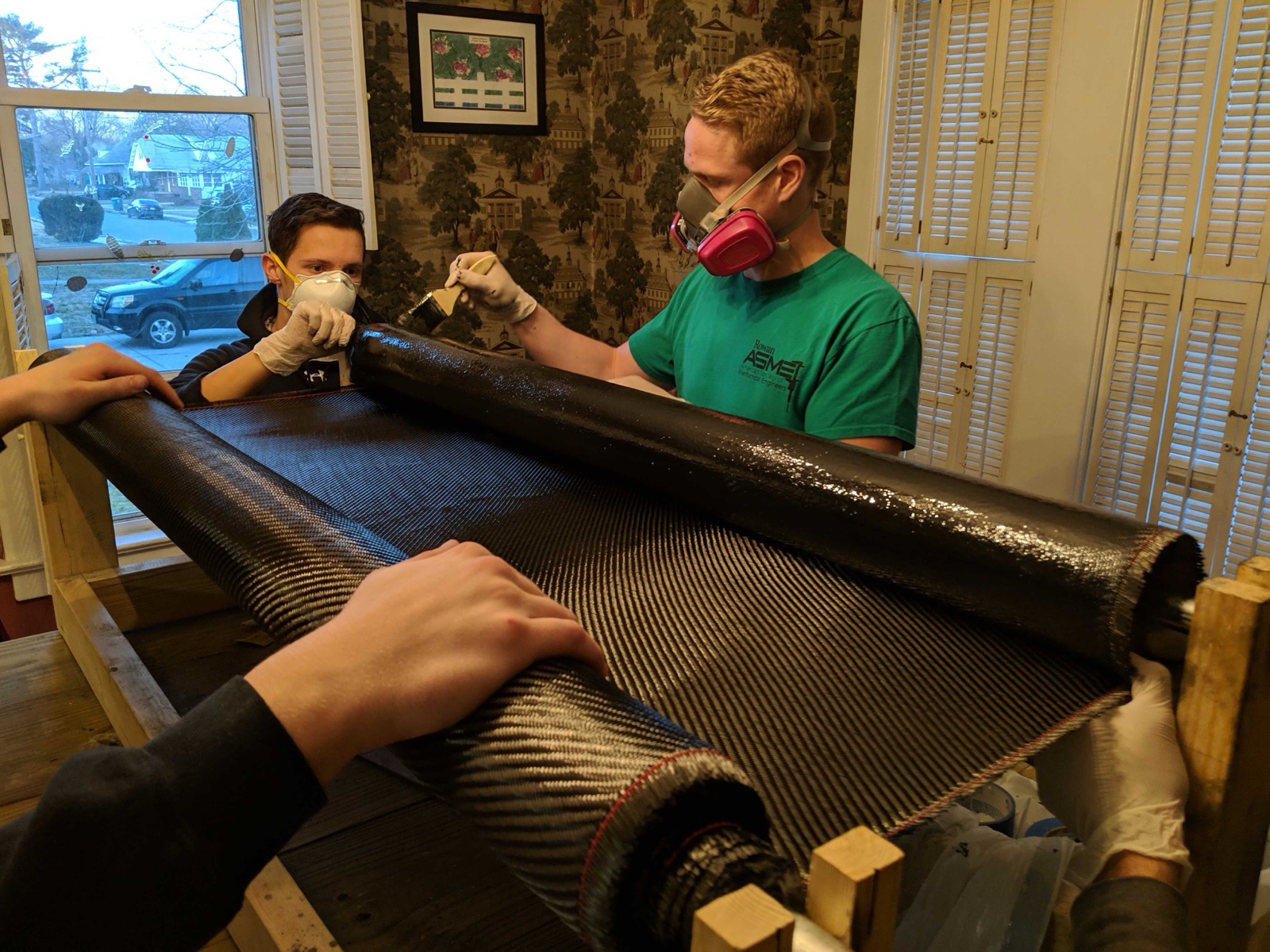
Rowan University's IREC team set out to build a rocket capable of reaching 30,000 ft at speeds of Mach 1.6 — a first for the program. To hit those performance targets the team designed a carbon fiber wrapped frame: lighter and stronger than any previous build, but requiring a precise curing process.

With no budget to buy or rent an industrial oven, the team built one from scratch. I designed the oven's complete control system — enabling the manufacturing team to set target time and temperature, while the firmware handled everything from thermal regulation to emergency shutoff.

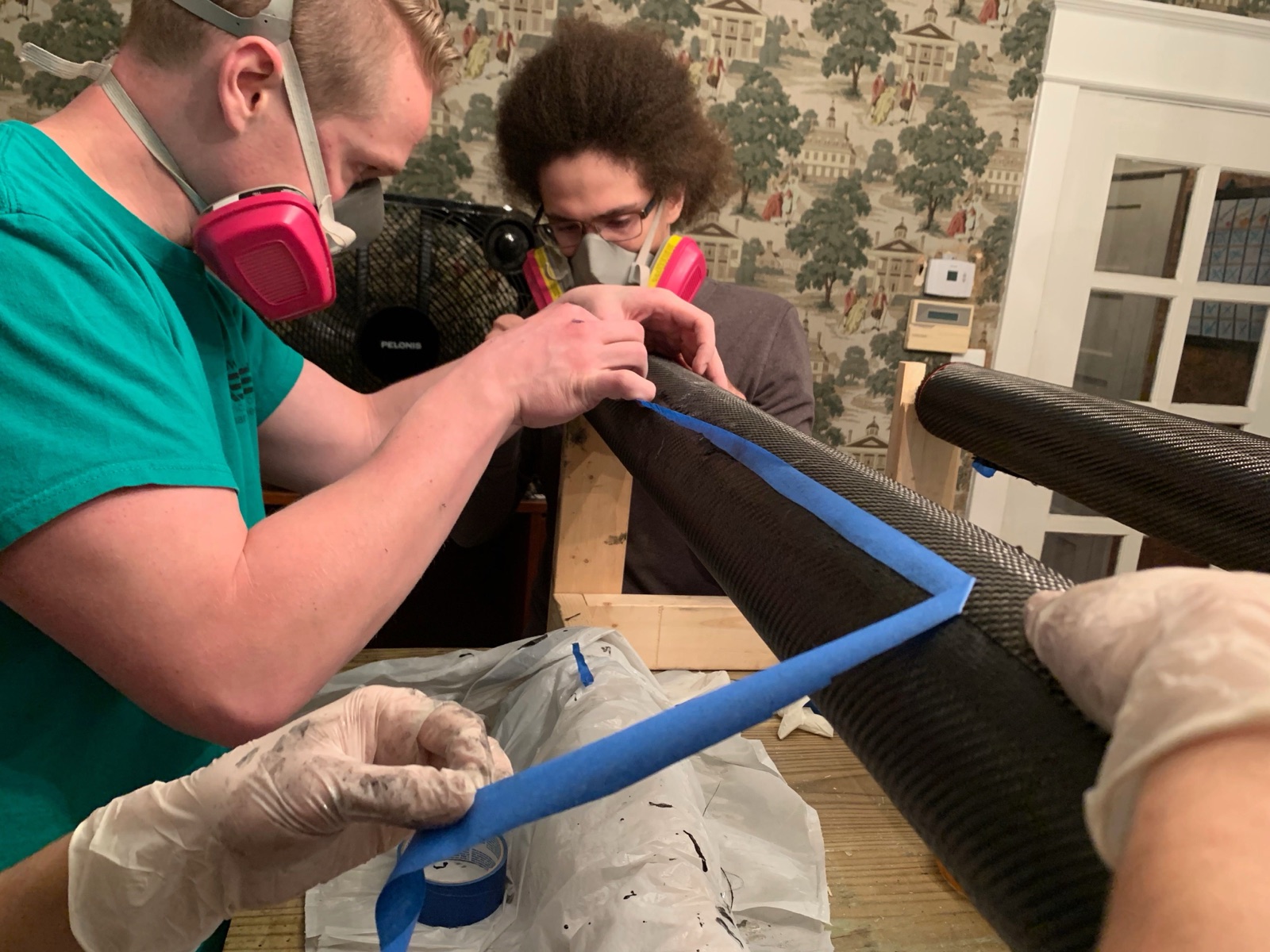
The oven reached completion in February 2019 and was actively used to cure carbon fiber weaves onto the rocket body tubes, nose cone, and structural components.
Oven Dimensions
6 × 4 × 3 ft
Target Temperature
120°F (±1°F)
Curing Duration
Up to 24 hours
Heaters
3 × 120W Strip Heaters
Temp Sensors
3-Point Average
Control Method
PWM via SSR + Independent Cutoff
Competition
IREC — Spaceport America
Target Altitude
30,000 ft / Mach 1.6
Collaborators
Rowan University IREC Rocketry Team

Thermal Regulation Architecture

01
⊞

User Input

Manufacturing team sets target temperature and curing duration via the control interface at the start of each run.

→
02
⊞

3-Point Temperature Sensing

Three temperature sensors distributed across the oven interior are averaged to produce a single representative internal temperature reading, compensating for hot spots.

→
03
⊞

PWM Heater Control

The Arduino's PWM output switches three 120W strip heaters through a solid-state relay. Duty cycle is adjusted in real time based on the error between target and measured temperature, holding ±1°F.

→
04
⊞

Software Protection

If the oven temperature rises too quickly, protection firmware cuts power to all heaters immediately — preventing overshoot and protecting the carbon fiber weave.

→
05
⊞

Independent Over-Temperature Cutoff

A standalone PID temperature controller with its own probe, set above the cure temperature, cuts heater power on its own, independent of the Arduino and its firmware, in the event of a software fault.

⚠
Dual Layer of Safety

The control system implements two independent protection mechanisms: firmware-level thermal runaway detection, and a standalone PID temperature controller that cuts heater power on its own. Either layer can shut down the oven autonomously.

Engineering Breakdown

◈

Custom Oven Build

Designed and built a 6×4×3 ft curing oven entirely in-house with no external budget — the first of its kind at Rowan University — to cure carbon fiber wraps on rocket body tubes.

◈

Multi-Point Thermal Averaging

Three temperature sensors distributed inside the oven are averaged to eliminate hot spots and provide a stable control signal, ensuring uniform curing across the full rocket body length.

◈

PWM Heater Regulation

Three 120W strip heaters are switched through a solid-state relay by the Arduino's PWM output, with duty cycles adjusted in real time to hold ±1°F of the target temperature throughout curing runs of up to 24 hours.

◈

Software Thermal Protection

Firmware monitors the rate of temperature rise and triggers an immediate heater shutoff if the oven heats too rapidly, protecting the carbon fiber laminate from damage.

◈

Independent Over-Temperature Cutoff

A standalone PID temperature controller wired into the heater power path cuts power if the oven overheats, independent of the Arduino firmware: a true second layer of protection.

◈

Air Quality & Avionics

Beyond the oven, also developed the air quality payload and avionics systems for the rocket, designed to operate at 30,000 ft at speeds reaching Mach 1.6.

Capabilities Used

// ELECTRICAL
Embedded Design PCB Design Fabrication Diagnosis
// HARDWARE
Analog Filters DAC / ADC Oscilloscope
// MECHANICAL
SolidWorks Machine Shop
// FIRMWARE
Embedded C PWM / Timers
Next project · 5 / 5 The Wombulator →